How do I set up a hot dog bar for a party?
Quick answer: Set out plates and buns first, then the hot dogs, then the toppings, with napkins at the end and drinks on a separate table. Offer ketchup, mustard and relish plus a few extras, give each topping its own utensil, and suggest two or three named combinations while keeping a plain hot dog available. Before you shop, ask guests about their food needs and agree an alternative for anyone who won't eat hot dogs.
Start with a simple plan
A hot dog bar can be as simple as buns, hot dogs and a few toppings your guests already like. Most of the work is in the planning: who will eat, whether the hot dogs are the main meal or part of a bigger menu, who will cook and who will help guests at the table.
First, decide whether the bar is lunch, dinner or one dish among several. That decision affects how many hot dogs you buy and how many sides you need. Then pick your toppings, plan the table order, agree alternatives with any guests who need them, and work back from the time you want everyone to eat.
Once you know whether hot dogs are the meal, choose the sides, dessert and drinks around them. Then work out what to prepare ahead and when to serve. Choosing a simple party menu explains a flexible order of tasks.
Let families know what you're serving before the party. It gives guests with food needs or preferences time to tell you, and it helps parents decide whether their child needs anything else.
Choose the toppings and a few combinations
You don't need a separate set of ingredients for every combination. Start with ketchup, mustard and relish, then add a few extras that suit your guests, such as diced onion, shredded cheese, chopped pickles, barbecue sauce or slaw. Write the ingredients under each name so nobody has to guess what's in it.
These combinations are suggestions, not traditional regional recipes. For a baseball party, you could serve the hot dogs in paper boats or snack cups with pretzels on the side.
| Combination | Toppings to offer | How to serve it |
|---|---|---|
| Ballpark | Mustard and relish; diced onion as an optional extra | Keep the onion in its own bowl so guests can leave it off. |
| Barbecue | Barbecue sauce and slaw | Give the slaw its own serving spoon and follow its storage instructions. |
| Cheese and pickle | Shredded cheese, chopped pickles and mustard | Put cheese in a separate bowl rather than adding it to every hot dog. |
| Ketchup and cheese | Ketchup with optional shredded cheese | Let guests add either topping, both or neither. |
| Plain | No toppings, or a condiment on the side | Keep some plain hot dogs and buns available throughout serving. |
How can I theme a hot dog bar without a huge topping menu?
Quick answer: Give a few combinations playful names but make them from the same toppings, list the real ingredients under each name, and make sure guests can still have a plain hot dog.
For example, a ballpark option could be mustard and relish, and a barbecue-style option could be barbecue sauce and slaw. Both use toppings already on the table, so the theme comes from the names and signs rather than from extra shopping.
Putting the ingredients under the name matters as much as the name. It lets guests avoid something they don't like or can't eat, and it saves you answering the same question over and over.
Arrange the table so the line keeps moving
Set things out in the order guests use them so everyone moves in one direction: plates and buns, then hot dogs, then toppings, then napkins. Leave room beside the toppings so guests can put their plate down while they choose. Put drinks on another surface so people pouring drinks don't block the food line.
Measure your table first, then place serving dishes and supplies so the one-way order still fits. Keep water, cups and refills where guests can reach them away from the food line. Food table setup covers the whole table.
Use tongs for the hot dogs and a separate spoon or other suitable utensil for each topping. Put ingredient cards beside the food and keep the packaging nearby in case someone asks. Store spare buns, plates and napkins where your helper can reach them without crossing the line.
What order should a hot dog bar follow?
Quick answer: Plates and buns first, hot dogs next, toppings after that and napkins at the end, with drinks on a different surface.
This order matches how guests build a hot dog: they need a plate and bun before they take a hot dog, and a hot dog before they add toppings. Leaving space for plates beside the toppings means guests aren't trying to hold a plate and a spoon at the same time.
How do I keep the table from becoming messy?
Quick answer: Give every topping its own utensil, leave space to set plates down, refill small dishes as needed, and keep napkins, wipes, trash and recycling near where people eat.
Small dishes that you refill take up less room than putting every spare tray out at once, and they keep the table easier to reach across. A helper who handles refills can also wipe up spills as they happen.
Clear the meal plates before you bring out dessert. If you can, ask one helper to clear plates while another looks after guests.
Plan for guests who need something different
Ask about food needs before you shop. A bun, condiment, hot dog or plant-based substitute may contain ingredients a guest needs to avoid. Agree the actual food and how it will be served with that guest or their caregiver. A separate tray doesn't make a food suitable on its own. Where it's requested, keep the agreed alternative separate, with its own utensils.
Plan the shared menu and agreed alternatives together, so you shop once. Keep original product labels available, and agree with the guest before labeling their food. Planning one menu for different dietary needs explains more.
If young children are coming, be aware that the CDC lists hot dogs, meat sticks and sausages among potential choking hazards for young children, along with foods such as hard raw produce and popcorn. Ask caregivers whether hot dogs suit their child at all and, if so, how they want them prepared for their child's stage of development. Offer an agreed alternative food where hot dogs aren't a good fit, and don't treat any one preparation method as making hot dogs safe for every child. The same care applies to sides: agree suitable foods with caregivers rather than assuming every snack works for every age.
What if a guest doesn't eat hot dogs?
Quick answer: Ask them what they'd enjoy before you shop, and plan an alternative to serve at the same time, such as a separate sandwich or a plant-based option you've agreed with them.
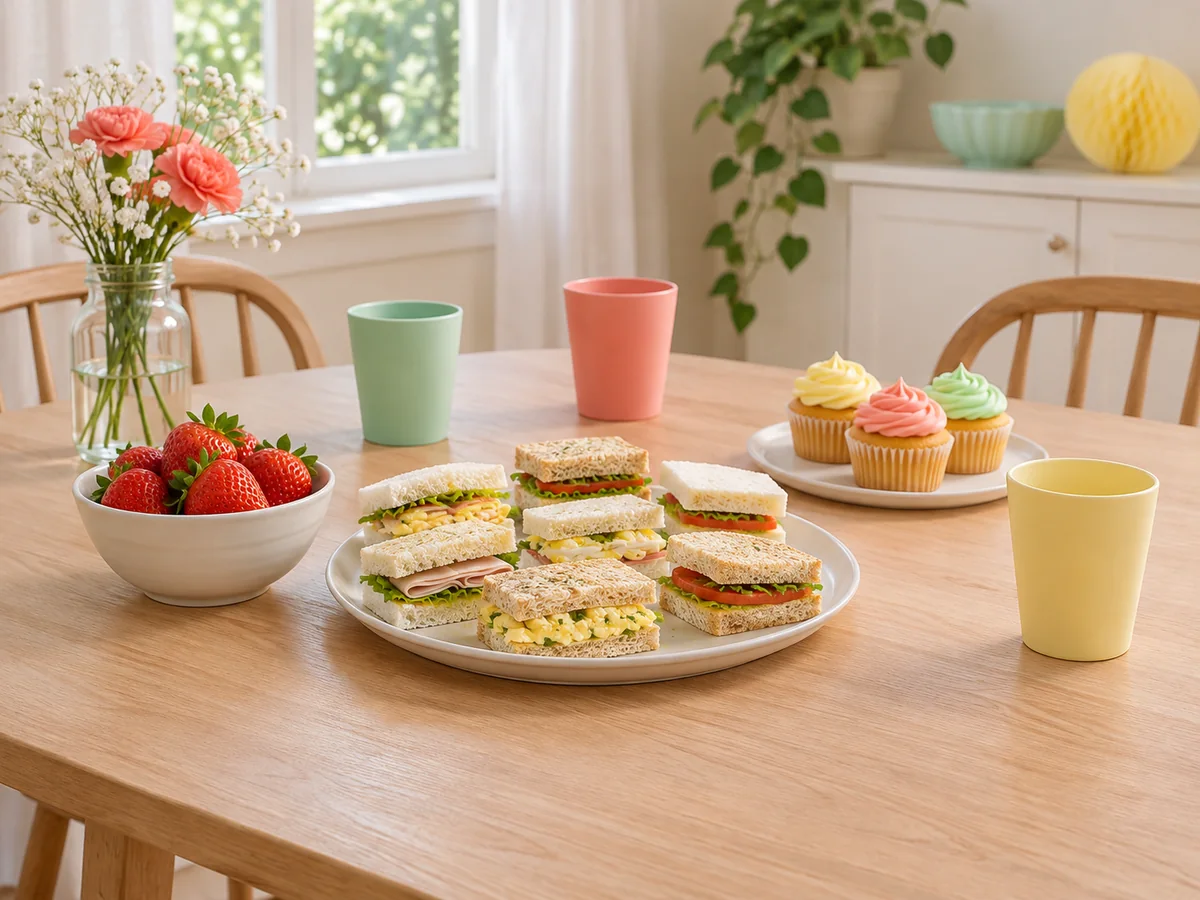
Mini turkey, cheese or vegetable sandwiches are possible choices, but check ingredients and serving needs first. Keep the packaging so the guest or their caregiver can read the ingredients and confirm how it will be served. Don't assume a substitute meets their dietary needs just because it isn't a hot dog.
Serving the alternative at the same time as the hot dogs means nobody waits while everyone else eats.
Work out how many hot dogs and buns to buy
Count everyone who will eat, including the birthday child, siblings, other household members and any adults who are staying. If you're also serving another main dish, you'll need fewer hot dogs than if the bar is the whole meal. A snack table needs smaller amounts than a meal.
Since you're counting both children and adults, consider whether one menu can work for both before finalizing amounts. Check storage and serving instructions for each dish. Party food for kids and adults on one menu offers ideas.
Illustrative example: say 12 children will eat, including the birthday child and any siblings, plus 6 adults who are staying. If you plan on one hot dog per child and two per adult, that's 12 + 12 = 24 hot dogs and 24 buns, before any extras. This is an assumption for planning, not a standard serving size. Adjust it for your guests' appetites, the other food you're serving and any agreed alternatives. One per child may not be enough if the hot dogs are a full meal.
Check package counts before you buy. If your hot dogs come in packs of 8 and your buns in packs of 6, three packs of hot dogs and four packs of buns each give you 24. Other brands may pack different amounts. If you want spares, add the same number to both totals so you don't end up with extra hot dogs and no buns.
For sides, count one serving container per guest, then decide what goes in it. In this example, that would mean 18 small fruit cups, plus extra fruit kept according to its storage needs. If cupcakes are dessert, get one per guest and a few spares.
Choose sides, dessert and drinks
Keep the rest of the menu small enough to serve alongside the hot dogs.
- Fruit cups: portion fruit into small cups instead of one big bowl, prepare them closer to serving time, and plan storage for the fruit you use.
- Vegetable cups: carrots, cucumbers, peppers or snap peas, with dip in the bottom of the cup or in a separate dish. Offer some cups without dip, keep prepared cold items in the fridge until serving, and check with caregivers about hard raw vegetables for young children.
- Pretzel or cracker cups: portion a salty snack before guests arrive.
- An alternative main: an agreed sandwich or plant-based option for anyone who doesn't want a hot dog.
- Dessert: a tray of cupcakes is easy to serve. An ice cream sundae bar after the meal is another option if you have freezer space and someone to help serve. Wrapped cookies or rice treats can double as take-home treats; keep ingredient information available.
- Drinks: water with cups or bottles, with refills easy to find. Juice or lemonade can sit beside it. Keep the drinks table away from the hot dog line.
Prepare the food and plan when to serve it
Decide who will cook and who will help guests before you choose equipment. Follow the packaging and appliance instructions for cooking and keeping food warm, and check the venue's rules if you plan to bring a grill, slow cooker or roaster. Rules vary between venues.
Plan cold storage for slaw, cheese, dips and other foods that need it. Covering a dish doesn't keep it cold. The FDA advises keeping cold buffet food at 40°F or below and not leaving perishable food out at room temperature for more than 2 hours, or more than 1 hour when it's above 90°F, which is worth remembering at an outdoor party.
Use the week before the party to confirm guests and food needs, then work back from the time you want everyone to eat.
- Two days before: shop for shelf-stable supplies, labels, plates, napkins and drinks. Check package counts and any ingredients guests have asked about.
- The day before: write labels, set out empty serving dishes and pack dry snacks. Prepare only foods that can be stored properly until the party.
- One hour before guests arrive: set up tables, serving utensils, drinks and cleanup supplies. Follow the cooking instructions for your food and equipment; this hour isn't a cooking time that works for every setup.
- At serving time: bring out the first dishes, keep labels visible and have a helper handle refills. Bring out fresh and cold items according to their storage needs.
- Before dessert: clear used meal plates and make room for cupcakes or the dessert station.
Can I prepare everything the day before?
Quick answer: You can write labels, gather serving dishes and utensils, portion dry snacks and organize supplies the day before. Whether you can prepare food ahead depends on the ingredients and how you'll store them.
For each dish, check its recipe or package directions before preparing it early. You might set out the empty tray, labels and tools the day before but cut produce later. Preparing party food ahead goes through food types.
Follow the instructions for each food, and leave cooking and anything that needs to be made fresh until the right time. If a recipe or product says it can be made ahead and how to store it, follow that guidance.
How long should the meal take?
Quick answer: In this illustrative example, with the food already cooked and ready, allow 10 minutes to serve, 15 minutes to eat and 5 minutes to clear plates: 30 minutes in total, with dessert on top of that.
0:00 to 0:10: invite guests to the table, help with hot dogs and toppings, and refill dishes as needed. 0:10 to 0:25: everyone eats while a helper looks after drinks and seconds. 0:25 to 0:30: collect plates, wipe the table and get ready for the next activity.
Allow longer if guests need more help or the line moves slowly. Cake or another dessert needs extra time beyond these 30 minutes. If a venue gives you only 30 minutes for the whole meal and dessert, rethink the menu and serving order before you book.
Plan seating and cleanup
Give guests somewhere to sit with a plate, and keep the path between the food table and the seats clear. Pause the main activity during the meal so the same adult isn't trying to run a game and serve hot dogs at once.
If some guests finish early, put paper and markers on a nearby table. Keep trash bags, recycling, wipes and extra napkins near the eating area.
Hot dog bar checklist
- Count how many children, adults and siblings will eat, including the birthday child.
- Ask about food needs and agree any alternative meals before you buy ingredients.
- Count hot dogs and buns separately, with the same number of spares for each.
- Choose toppings and write ingredient cards from the products you buy.
- Check cooking equipment, venue rules and cold storage.
- Gather plates, cups, tongs, a utensil for each topping, napkins and serving dishes.
- Ask one person to cook or serve while another adult helps the children.
- Set up drinks away from the hot dog line and leave space to put plates down.
- Put wipes, trash bags and recycling near the seating area.
- Keep spare food and supplies where the serving helper can find them.