Quick answer: Party Whammy helps you choose a party idea, then turn it into a plan you can actually run at home. Start with five basics: guest count, age range, party length, budget and setting. Then use the guides on food, games, decorations, favors and sleepovers, along with the party planning checklist, to fill in the details. The aim is a plan that still works when real kids are loud, hungry, shy, excited or ready to leave early.

Party Whammy planning library
How can Party Whammy help me plan a party?
Plan birthdays, sleepovers, games, food, and themes around the house, budget, guest list, and cleanup you actually have.
1 planfrom invite to pickup
6 pathsfor the next decision
Real homesnot showroom parties
Choose your party type
Start with the party you are actually hosting
Choose a birthday format with birthday party ideas before buying supplies. If guests will stay overnight, sleepover planning adds the evening food, wind-down, and morning handoff decisions.
 Ages, themes, games, food, and schedule
Birthday parties
Build the day around the birthday kid, the real headcount, and the amount of setup help you can count on.
 Food, safety notes, quiet time, and morning pickup
Sleepovers
Keep the fun while handling food notes, sleeping space, homesickness, house rules, and morning pickup.
 Decor, invitations, favors, games, and menu
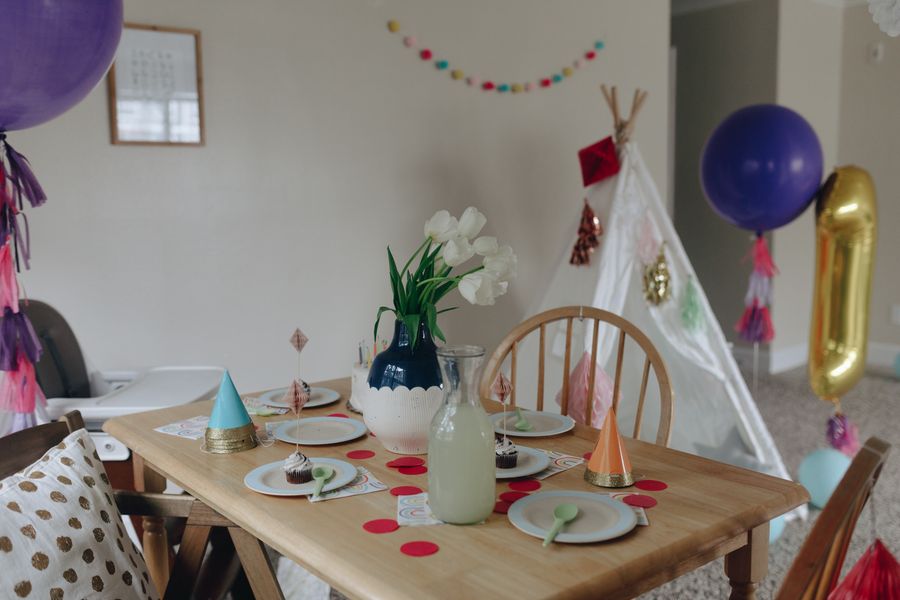
Kids party themes
Choose a theme with one strong activity, one photo moment, and enough color to feel intentional without buying everything twice.
 Best ages, group size, supplies, and cleanup
Party games
Pick games with short rules, clear supplies, and the right energy level for the room full of kids in front of you.
 Menus, snack bars, cakes, drinks, and allergies
Party food
Serve food that can be shopped, labeled, refilled, and cleaned up without turning the kitchen into the main event.
 Timeline, supplies, budget, and parent text
Planning checklist
Start here when the details are scattered across texts, receipts, notes, and the thing you promised yourself you would remember.
Planning tools
Turn the idea into a plan parents can follow
Put guest details, helper jobs, and supply locations into the party planning checklist while decisions are fresh. Keep that host copy close enough to update as replies and shopping change.
Start here
Party planning checklist
A fridge-door timeline for invitations, RSVPs, food, supplies, setup, pickup, and cleanup.
BudgetBudget worksheet
Set one total, split it across food, decor, games, favors, and keep a small buffer for the forgotten-candles run.
ShoppingParty Supply Checklist
Group supplies by room and station so shopping, staging, and cleanup follow the same list.
Parent notesParent text example
Send the details families need: timing, food notes, what to bring, pickup, and the phone number that works on party day.
Parent rhythm
A calmer timeline from first idea to cleanup
Choose a meal or snack window using party food planning before filling the schedule with activities. Then use party game setup advice to keep the first round easy to join and the backup ready.
Choose the party shape
Pick the occasion, guest count, budget lane, theme, and whether the party belongs indoors, outdoors, or overnight.
Lock food and activities
Match games and menu to the age range, allergies, party length, and how much adult help will be available.
Shop the grouped supply list
Buy decor, serving pieces, game supplies, favors, cleanup bags, and the few backup items that prevent scrambling.
Prep the parent-safe details
Send timing, address, pickup notes, food details, allergy reminders, and a backup contact if guests are sleeping over.
Run the rhythm
Open with an easy arrival activity, move into the main moment, feed everyone before energy dips, and keep cleanup simple.
Close the loop
Pack favors, gather borrowed items, save reusable decor, and note what to repeat next time.
Built for real homes
Make the party feel special without making it fragile
Let one activity carry the celebration with kids party themes with built-in activities. Keep a quiet backup nearby so the theme still works when a guest needs a break.
Fit the Party to the House
A good plan respects the room size, the bathroom line, the cleanup window, and the difference between eight guests and twenty.
Choose One Moment to Carry the Day
One strong activity, photo spot, cake moment, or game gives guests something to remember without adding five extra projects.
Keep the Backup Close
Weather, late guests, allergy notes, homesickness, and low energy all need a plain next step ready before the party starts.
Seasonal and trending
Party ideas worth building next
These guides are the places parents usually need next: outdoor backup plans, sleepover details, quick wins, and indoor ideas when weather changes the plan.
Backyard party ideas
Plan outdoor games, shade, food stations, bathroom flow, and the rain backup before the yard fills up.
Sleepover ideas
Handle the parent text, sleeping setup, snack timing, quiet hour, and morning pickup before the first sleeping bag opens.
Last-minute party planning
Use the fastest workable plan: one easy menu, one no-prep game, one clear setup zone, and one backup move.
Indoor party games
Match games to floor space, noise tolerance, age mix, and the moment when the room needs to calm down.
Printable planning help
Get the printable party planning checklist first
One page that maps the whole party: type, guest count, menu, games, supplies, budget, and cleanup, so nothing waits until the morning of.
Core guide library
Start here after the homepage
Choose the surfaces that need attention with party decoration planning before covering the whole room. Decide what guests will take home using party favor planning, including the option to let the activity become the keepsake.
Parent questions
Answers that make the first choices easier
What Party Whammy covers and where to start
Party Whammy is for families hosting birthdays and sleepovers in real homes. The guides cover the choices most hosts face: picking a party type, choosing a theme, planning food, setting up games, decorating, deciding on favors and getting ready for party day. Sleepovers have their own planning guide because guests staying overnight adds evening food, a wind-down time and a morning handoff.
You don't need to read everything before you begin. Choose the kind of party you're actually hosting first, then go to the guide for whatever you need to decide next. If you're hosting a birthday, start with the birthday party ideas. If guests are staying the night, start with sleepover planning. Write your decisions in the party planning checklist as you make them, and keep that copy nearby so you can update it as replies come in and shopping plans change.
Party Whammy is meant to make the party special without making it fragile. Let one activity carry the celebration, keep a quiet backup nearby, and leave room for children who need a break.
What to decide first, before you buy anything
Making a few basic decisions early saves a lot of rework later. Guest count, age range, party length, budget and setting determine the food plan, the games, the supplies and how much cleanup you'll have afterward. For example, a short afternoon party in a living room needs a different plan from a longer backyard party or an overnight stay.
What should I plan first for a kids party?
Quick answer: Start with the guest count, age range, party length, budget and setting. Those choices decide the food plan, games, supplies and cleanup load.
When you count guests, decide who's included. Write down the number of invited children, then add the birthday child, any siblings who will be there and any adults who will stay. Count each person only once. If the birthday child is in a class you're inviting, that child is already part of the class number.
Next, think about timing. If the party runs over a usual mealtime, plan real food. Don't assume guests have already eaten. If it falls between meals, a snack table may be enough. Set the budget before you choose a theme, so the theme fits the budget rather than the other way around.
How to pick a theme without making the party harder
A theme helps the party feel planned, but it doesn't have to cover everything. Choose one main visual element, one activity and one snack idea that share the same mood. You don't need every plate, favor, game and sign to match.
When you decorate, pick the few spots guests will actually notice, such as the food table or the activity area, instead of covering the whole room. For favors, decide early whether you need a separate favor at all. Sometimes the thing children make during the activity can be what they take home.
Worked example: a two-hour afternoon birthday at home
This is an illustrative example, not a rule. Change the numbers, times and foods to suit your own party.
Who is counted: 8 invited children plus the birthday child makes 9 children. Two adults from the household stay for the whole party: Adult A runs the activities and Adult B handles food and the door. No siblings are coming. That's 11 people in total. Any parents who stay would be added on top of that number.
Setting and budget: an indoor living room with a kitchen nearby, plus a small supply budget. The party runs from 2:00 to 4:00, between lunch and dinner, so it's a snack-and-cake party rather than a meal. If your party falls at a mealtime, plan a main meal instead.
Example snack menu: popcorn, cheese and crackers, cut fruit and the birthday cake, with water to drink. Before you finalize the menu, ask guests' parents about allergies and dietary needs, and label any food with allergy concerns. Don't assume every child can eat every item.
| Time (illustrative) | What happens | Adult A | Adult B |
|---|---|---|---|
| Before 2:00 | Snacks plated and covered, cake set aside, backup activity placed nearby | Sets up the activity area | Gets the food ready and labels any allergy concerns |
| 2:00–2:20 | Arrivals and a drop-in coloring table | Stays with the children at the table | Greets families at the door and writes down pickup details |
| 2:20–2:45 | First game: freeze dance (music plays, everyone freezes when it stops, then play again) | Runs the music and the game | Stays with the children and helps anyone who needs a break |
| 2:45–3:15 | Snack time | Sits with the children | Puts out the snacks and refills them |
| 3:15–3:30 | Cake and singing | Lights and serves the cake | Clears snack plates and stays with the children |
| 3:30–3:50 | Second game, or the backup activity if energy is low | Runs the activity | Gathers favors or crafts to send home |
| 3:50–4:00 | Pickup | Stays with the remaining children | Hands each child to the adult listed for pickup |
Making party day easier for the adults
Most party-day stress comes from jobs that were left until guests arrived. Finish them earlier, and the adults can spend the party with the children.
What makes a party plan easier for parents on party day?
Quick answer: Have the food ready before guests arrive, keep one backup activity nearby, label anything with allergy concerns and write down the pickup details for each child. The best plans leave room for real kids to be loud, hungry, shy, excited or done early.
Before the first guest arrives, do a quick check: the first activity is set out, drinks are ready, food information is labeled, there's a spot for coats and bags, and the responsible adult has each child's contact and pickup details. Our guide to what should be ready before guests arrive covers the full check.
Give each adult a clear job at each point in the party, and make sure someone stays with the children when another adult goes to the kitchen or the door. The backup activity is for times when a game falls flat or a child needs something quieter. It works best when it's already set up and needs no explanation.
Pickup goes more smoothly when you've written down who is collecting each child before the party starts, so you aren't trying to remember it at the door.
Planning a party at the last minute
A short timeline means fewer choices, not a worse party. Make the basic decisions first, then choose options that need little shopping or setup.
How does Party Whammy help if I am planning last minute?
Quick answer: Use the checklist first. Then choose games that need few supplies, simple food stations and decorations you can put up the night before or the morning of the party.
The checklist helps you see quickly what you still need to decide. Games that need only music or things you already have, such as freeze dance in the example above, mean you won't have to shop for game supplies. Use one food table instead of several courses, and limit decorations to what you can put up quickly. If you're also short on energy, the guide to planning a simple party when you have little time or energy goes into more detail.
Planning a sleepover
When guests stay overnight, you have more to plan than for a daytime party, so sleepovers get their own guide on Party Whammy.
Does Party Whammy still cover sleepovers?
Quick answer: Yes. Sleepovers are still a main topic on Party Whammy, with extra focus on talking with other parents, food allergies, homesickness, sleeping arrangements, quiet time and morning pickup.
Sleepover planning adds evening food, a wind-down time and the morning handoff to the usual party decisions. Before the night, talk with each guest's parents about allergies, what to do if their child gets homesick and when pickup will be, and write the answers down.
Keep two separate records: private notes for you, such as each child's allergies, homesickness plan and pickup arrangement, and a message telling families what to expect, like the date and arrival time. A sleepover parent communication checklist helps you write down each family's answers and keep private details out of messages sent to everyone.
Your first planning steps
- Choose the party type: a daytime birthday or a sleepover.
- Write down the guest count, and note whether it includes the birthday child, siblings and staying adults.
- Note the age range, party length, budget and setting.
- Decide whether the party needs a meal or snacks, based on the time of day.
- Choose one main visual element, one activity and one snack for the theme.
- Plan one backup activity and where you'll keep it.
- Ask parents about allergies and label any food with allergy concerns.
- Write down the pickup details for every guest.
- Put all of this in the party planning checklist and update it as plans change.