How do I set up a build-your-own food station for children?
Quick answer: Choose one food activity that suits the children coming, such as pizza bagels, taco cups, snack-mix bags or decorated cupcakes. Agree on ingredients with families before you shop, and portion the toppings before guests arrive. Have children put their food together sitting down with a tray, and put an adult in charge of any cooking, warm food or steps the children need help with. Keep a plain option for children who would rather skip the toppings.
Decide whether the station is a meal or a snack, and how much help you have
Start with when the party happens. If it overlaps lunch or dinner, plan a savory option such as pizza bagels or taco cups before any dessert. Between meals, one snack activity may be enough. Don't assume guests have already eaten. Tell families what you plan to serve so they know whether to feed their child first.
Before you work out quantities, decide who you're counting. Count every child who will eat, including the birthday child and any siblings or household children who will join in. Then add any adults who stay and eat, unless you've already counted them.
Next, look at your help. You don't need several stations. If you're hosting alone, one activity that everyone can do sitting down may be easier to manage than several tables running at once. Pizza bagels need an adult free to run the oven. If nobody can do that while you watch the table, choose something that doesn't need cooking.
If nobody can run the oven, choose food the children can put together without cooking. No cooking doesn't mean no refrigeration, so plan where cold ingredients will stay until you serve them. Our no-cook party food ideas work for a meal or snacks; just tell families which to expect.
Start with food your child already enjoys, and keep a plain version for guests who don't want toppings. A child can leave their food plain rather than add everything on offer.
Choose food the children can put together themselves
Four setups suit a seated table. They need different amounts of adult help and preparation, so pick one based on your guests, your help and whether you're serving a meal.
Pizza bagels: set out halved bagels, sauce and grated cheese in small cups. Each child spreads sauce and adds cheese at their seat. An adult then collects the bagels on a baking tray and handles the oven, following the recipe's instructions. Keep track of whose bagel is whose, for example by writing down where each one sits on the tray. Allow time to cook each batch, and keep paper and markers handy for children who are waiting.
Taco cups: give each child a cup or small bowl of chips or small taco shells. You could offer four or five toppings, such as a prepared filling, grated cheese, chopped tomato, lettuce and salsa, with all of them optional. Keep any cooking away from the table. If the filling is warm, an adult should prepare and serve it. A slow cooker kept away from the table is one option to consider when you choose your recipe.
Snack-mix bags: put small portions of each mix-in in the cups of a muffin tin and give each guest a bag with their name already written on it. Cereal, pretzel pieces and dried fruit are familiar choices to discuss with families. If you've bought enough, children can make one bag to eat now and a second to take home. If the bags go home as favors, include the ingredient information with them.
Sundaes or decorated cupcakes: pick one dessert. Ready-made cupcakes or cupcakes baked the day before mean no oven work during the party. Squeeze tubes of frosting are one option, but check whether the children will need help with them. For sundaes, arrange freezer space and bring the frozen dessert out only when you're ready to serve it.
If you choose sundaes, set out the bowls, spoons and toppings first, and bring out the ice cream only when the station is ready. Sundaes can be the whole dessert or come with cake. See how to serve ice cream at a party without it melting too soon.
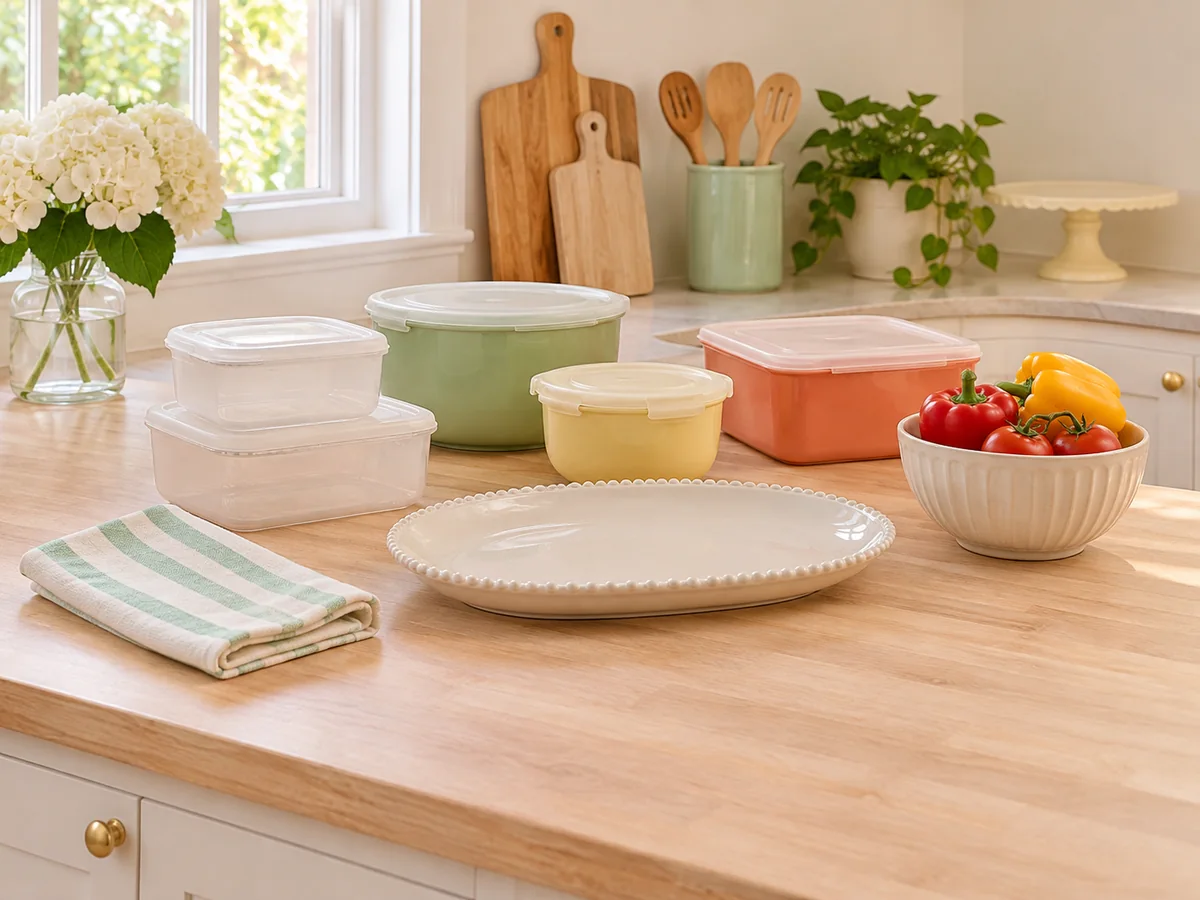
What food can kids make at a party?
Quick answer: Children can put together pizza bagels, fill taco cups, mix a snack bag, or decorate a sundae or cupcake. Adults handle the cooking and any step the children need help with.
Choose only ingredients that families have agreed their children can eat, and keep a plain option on the table. How much each child can do alone depends on the child. Spreading sauce or adding sprinkles is a different task from using an oven or serving a warm filling, which stays with an adult.
What is a cheap DIY party food for a crowd?
Quick answer: Price pizza bagels, taco cups or snack-mix bags for the number of guests you actually have. Include toppings and serving supplies in the total. DIY food isn't automatically cheaper.
Write out the full shopping list for each option, including containers, frosting, serving tools and bags, and compare it with a ready-made alternative. Running one savory activity and one dessert may cost less than offering all four. Local prices and what you already own will decide the final total, so cross off anything you can borrow or already have.
Set up the table and portion the toppings before guests arrive
Put small portions of each topping in cups or in separate muffin-tin compartments, and keep the refills to one side. Decide whether each child will get their own set of toppings or whether an adult will serve from shared containers. A muffin tin with separate ingredients still counts as a shared container if everyone reaches into it.
Have children sit down to put their food together, with a tray under each plate, bowl or bag. Put the ingredients they can use within reach, and show them one finished example before they start. Leave a few toppings off the example so children can see they don't have to use everything. An adult should bring refills to the table so children aren't carrying full cups back and forth.
As a starting layout to try, set out one set of supplies for every six to eight children. Before you settle on that number, check your seats, how far children can reach and how much adult help you have. For ten children, you could split them into two groups that use the same setup one after the other, rather than buying ingredients for four different stations.
Before you decide on group sizes, set out one complete place setting to see how much room it takes. Then count how many seats fit with trays still in reach. The kids party table setup guide shows three arrangements you can adapt. Try a sample setting before buying more supplies.
How do you run a build-your-own food station for kids?
Quick answer: Portion the toppings ahead, give each child a tray and let them put their food together sitting down. Start with one activity you have enough seats and adult help for.
The six-to-eight-children-per-set layout is a suggestion to test in your own space, not a guarantee that nobody will have to wait. If the table gets crowded, take turns in groups. Keep paper and markers nearby for children who finish early or would rather do something else.
Example: menu and shopping quantities for ten children
This is an illustrative example, not a complete meal calculation. It's for ten children in total, including the birthday child. Add any siblings or staying adults who will eat and aren't already counted. The menu is pizza bagels as the savory food and decorated ready-made cupcakes as dessert.
Pizza bagels: a starting estimate is one to two bagel halves per child. For ten children, that means 10 to 20 halves. Planning for 15 halves sits in the middle of that range. Adjust for the size of the bagels and whatever else you're serving. If it's a main meal, plan toward the top of the range or add sides. If it's a snack between meals, the lower end may be enough. Sauce and cheese depend on package sizes and how much goes on each half, so decide your portion and check how much each package makes before you shop.
These bagel numbers cover just one item. To plan the whole menu, add any sides, check how much each package makes and count any adults or older children who will eat. Our guide to how much party food to buy explains how to count everyone and use package or recipe serving information.
Cupcakes: a starting estimate is one per child, so 10 cupcakes for ten children, plus frosting and sprinkles. Remember to add drinks, and food for any adults who stay.
| Food activity | Supplies | Illustrative prep time | Decide before shopping |
|---|---|---|---|
| Pizza bagels | Bagel halves, sauce, cheese, cups, baking tray | 20 minutes, plus the recipe's cooking time | Who runs the oven and helps children spread sauce? |
| Taco cups | Chips or shells, topping cups, prepared filling, bowls | 25 minutes, plus filling preparation | Which toppings will guests use? |
| Snack-mix bags | Muffin tins, agreed mix-ins, bags with names on | 15 minutes | One bag each, or an extra to take home? |
| Sundaes | Cups, frozen dessert, toppings, trays | 15 minutes, plus freezer arrangements | Who brings out and serves the frozen dessert? |
| Cupcakes instead of sundaes | Ready-made cupcakes, frosting tubes, sprinkles | 10 minutes | Do you also need savory food? |
Agree on food needs with families and choose tasks that suit the children
Ask families which foods and products their child can eat, and how they want that food handled, before you buy anything. Keep the packaging so the ingredient information is available. Gluten-free bagels, dairy-free cheese or dairy-free frozen dessert are options to discuss with a family, not automatic substitutes for a particular child. A snack mix without nuts doesn't automatically suit every child either.
Some foods are choking hazards for young children, including whole grapes, hard raw fruit and vegetables, and popcorn. How food is prepared for a child's age matters. Ask caregivers before you include these, and leave out popcorn cups or similar options if young children are coming.
How do you handle allergies at a food station?
Quick answer: Agree on specific foods, products and serving arrangements with each family before you buy ingredients. Then follow the arrangement you agreed.
Putting alternatives at one end of a shared table with separate utensils doesn't on its own make that food suitable. If you're thinking of doing that, talk it through with the family first. Agree on who will serve the child's food and how, rather than relying on a 'nut-free' or 'dairy-free' sign. Keep ingredient information to hand during the party.
Do DIY food stations work for toddlers?
Quick answer: They can, if you choose the food and the level of help to suit the toddlers coming. Ask caregivers which foods and tasks suit their child.
A toddler may need an adult to prepare and serve their food rather than put it together alone. There's no single age at which children are ready for these activities. Choose the food, the preparation and the amount of help for the children who are actually coming.
Plan your timing and serving
The schedule below is an illustrative 30-minute cupcake-decorating activity, with ready-made cupcakes and topping portions prepared in advance. It doesn't cover a meal, oven cooking or the rest of the party. Pizza bagels need their own cooking plan.
Before party day, shop for the ingredients and supplies you chose. The day before, buy or bake the cupcakes and write names on the bags or boxes. On the morning of the party, arrange the seats and portion the toppings. Allow more time if the children need more help.
Keep cold toppings cold until you serve them. Don't leave perishable food out at room temperature for more than 2 hours, or more than 1 hour when it's above 90°F. Leave the refills in the fridge or freezer until they're needed.
- 0 to 5 minutes: children sit down, cupcakes are handed out, and you show how to use the frosting and decorations.
- 5 to 15 minutes: children decorate their cupcakes while adults help as needed. Early finishers can draw on their take-home boxes.
- 15 to 25 minutes: each child eats their cupcake or packs it to take home, following what you agreed with their family.
- 25 to 30 minutes: collect trays and utensils, and move finished boxes to a pickup spot.
Checklist: before and after the food station
- Decide which food activity you'll run and whether it's a meal or a snack.
- Count the children and adults who will eat, without counting anyone twice.
- Agree on products and serving arrangements with families before you shop.
- Put all quantities and serving supplies on one shopping list.
- Assign an adult to the oven or the warm filling if either is on the menu.
- Set out trays, cups or bowls, utensils, napkins and bags with names on them.
- Portion the toppings and keep refills cold or set aside.
- Check that every child has a seat and can reach their food.
- Keep paper and markers ready for children who finish early.
- Afterward, collect reusable trays, take tins and utensils to be washed, wipe the table, and check the package storage instructions before keeping any leftovers.
| Station | Ingredients and quantities | Supplies to buy or borrow | Adult helping | Prep and serving time |
|---|---|---|---|---|
| __________________ | __________________ | __________________ | __________ | __________ |
| __________________ | __________________ | __________________ | __________ | __________ |
| __________________ | __________________ | __________________ | __________ | __________ |
| __________________ | __________________ | __________________ | __________ | __________ |
Children eating: __________ Adults eating: __________ Meal or snacks: __________
Food requirements agreed with families: ________________________________________