How do I plan a seasonal party without a holiday theme?
Quick answer: Let the time of year shape the setting, food and one main activity instead of a holiday. Start with whatever would change your other plans most: how many people are coming, where the party will be or when it will happen. Then choose one main activity that suits that space and those guests, such as a spring picnic, a summer breakfast or a winter movie afternoon. Keep the food and decorations simple. Have one short backup activity ready, and if the party is outdoors, know where everyone will go if you can't stay outside.
Seasonal drawing ideas for guests waiting to join in
Put out paper and markers for arrivals or a break between activities. Pick a prompt that fits your gathering, or let guests choose from the printed list. The picker draws from both groups and may repeat a prompt; printing opens the browser's print dialog.
Draw one when the room is ready
Draw a picnic blanket with room for your favorite foods.
Spring and summer drawings
- Draw a picnic blanket with room for your favorite foods.
- Design an Easter egg with a pattern nobody has seen before.
- Draw a pair of sunglasses for an imaginary animal.
- Design a poster for the last day of school.
Fall and winter drawings
- Draw a pumpkin wearing a very unusual hat.
- Design a disguise for a turkey.
- Draw a snowman getting ready for a party.
- Design a paper clock for a New Year countdown.
Plan around the season, not a holiday
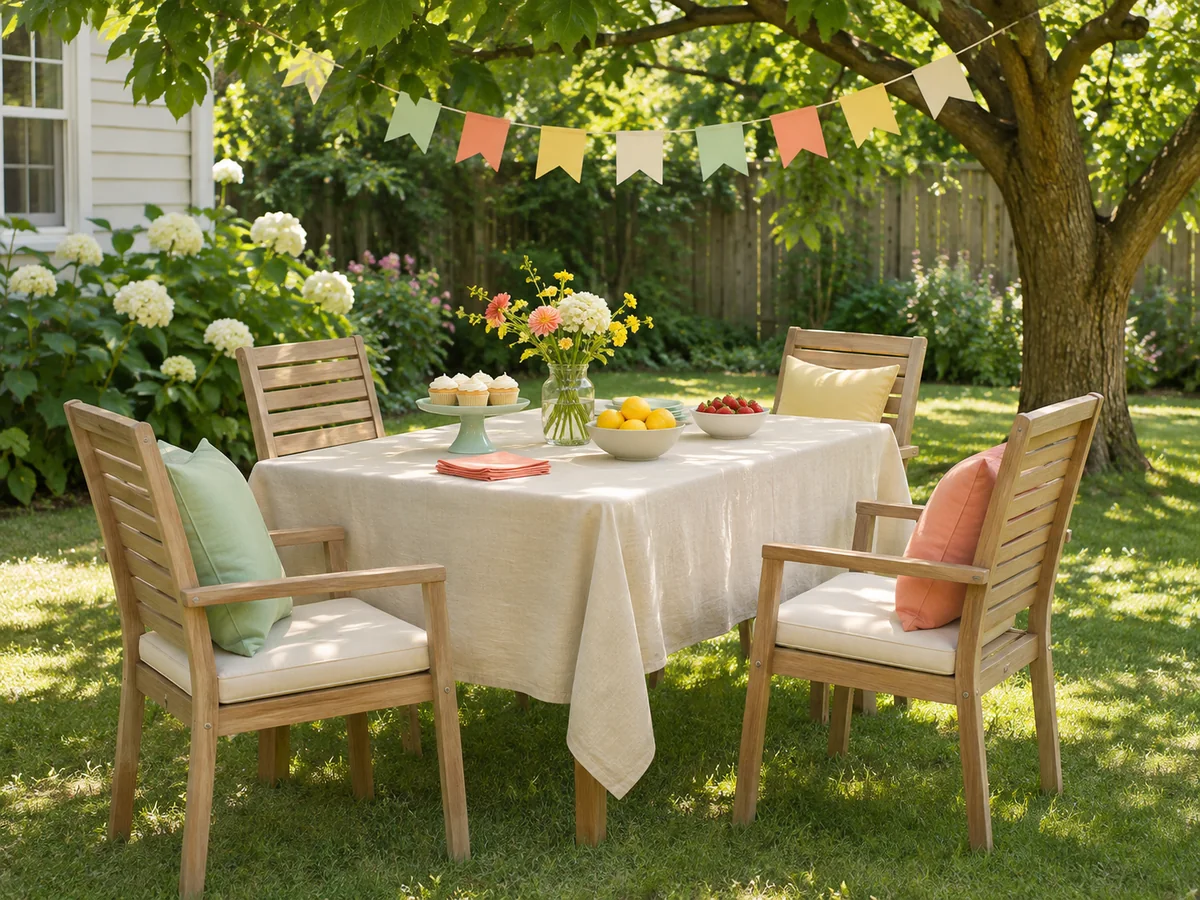
A seasonal party can feel like spring, summer, fall or winter without being tied to a holiday. What gives it that feel is where you are, what you eat and what everyone does. A picnic in the park, pancakes in the morning, games in the yard or a movie with blankets all suit a particular time of year without any holiday decorations.
The order of your decisions matters more than the theme. Settle the guest count, the place and the time first. Then pick one main activity that fits them. Choose the food and a few seasonal details after that, and finish with a short backup activity. If you shop for decorations before you know where everyone will sit, you can end up with matching supplies and not enough table space for the activity.
Holiday ideas still count as options. If your guests would enjoy Halloween clues or a Christmas craft, those versions are covered below. This guide simply shows how to use the season without needing a holiday.
Does a seasonal party need a holiday theme?
Quick answer: No. A spring picnic, summer breakfast or winter movie afternoon can feel seasonal without being tied to a holiday.
The season can come through in the setting (a park in spring, a backyard in summer, blankets and a film in winter), the food and one or two repeated details, such as a color.
If you're also celebrating a birthday, ask your child whether they want the seasonal theme or something separate. For a December birthday, the Christmas birthday ideas guide covers ways to give the birthday its own cake, song and activity.
Decide on guests, place and time first
Start by counting everyone who will be there, not just the invited children. Write down the children (including the birthday child and any siblings joining in), the adults staying and anyone else in the household who will be around. Count each person once. Then check how many seats or activity places you need. A room with enough space for people to talk may not have enough table places for everyone to decorate cupcakes.
For an outdoor party, decide where the whole group will go if you can't stay outside. A picnic can become lunch and a guessing game indoors. Running games need a different activity, not just a smaller playing area. Choose a time when you'll decide about the weather and who will message families.
Pair each outdoor activity with an indoor replacement before the day. A rainy day party plan gives you space to note those swaps and to agree who will decide about the weather, when they'll decide and how families will hear.
Then ask your child to pick from two or three ideas that would work. For a family gathering, think about whether guests would rather join a game, make something or just sit and talk. The time of year can suggest an idea, but it won't tell you what every guest will enjoy.
What should I decide first?
Quick answer: Start with the detail that would change your other choices: the guest count, place or time. Then choose an activity that fits.
If the party is outdoors, arrange somewhere else to go or a way to postpone before you invite more guests than your indoor space can hold. The rainy-day party plan has a sheet for pairing each outdoor activity with an indoor one.
If the guest list, place or budget is still undecided, Start Planning Without Feeling Behind can help you work out which decision to make first.
Choose one main activity
These ten ideas are seasonal versions of activities you can run at any time of year. Pick one main activity, then add food and a short backup. Don't try to prepare all ten. Several of them work without a holiday. The holiday ones can easily be made neutral, as the table shows.
Notes on each idea: For backyard pizza and games, keep rounds short enough to leave time to eat. If you're running the games alone, do one game at a time. For a park picnic, find out how to book a picnic table or arrange for someone to arrive early and save a spot. Tell families exactly where to meet. Pack blankets, a cooler, napkins, wipes, tape and trash bags. For cupcake decorating, have plates, a table cover, wipes and named take-home boxes ready. Ask families about the actual ingredients before you shop. For a classroom party, agree on food and serving with the teacher first.
For a treasure hunt, walk the route before the party. Use picture clues for children who aren't reading yet, and keep any prizes separate from who solves a clue fastest. For a movie afternoon, test the picture and sound beforehand and check the running time before you set the finish time. For a craft table, put names on projects before the supplies come out, and make one sample so you know which steps need help and whether anything has to dry before pickup.
For sports stations, play together at one station if only one adult is running them, and serve food away from the playing area. For a breakfast party, prepare whatever your recipe allows ahead of time, or ask another adult to cook. For science activities, stick to a specific set of instructions that you've tried once before the party. Make sure the supplies suit the children coming, and keep the materials away from food. For a photo booth, have an adult look after the camera and check with families before sharing any photos.
| Idea | Season | Without a holiday | Main supplies | Indoor or seated alternative |
|---|---|---|---|---|
| Backyard pizza and games | End of school, summer | Already holiday-free | Cones, balls, a target, optional music; pizza squares and fruit cups | Shared poster with paper and markers indoors |
| Park picnic | Spring | Already holiday-free | Blankets, cooler, sandwiches, cupcakes, bubbles | Lunch and a guessing game at home, if everyone fits |
| Cupcake decorating | Any; Valentine version uses pink and red | Pick your own colors | Plain cupcakes, frosting, toppings, named boxes | Decorating the boxes or drawing |
| Treasure hunt | Fall; Halloween or Easter versions | Use clues about seasonal objects in general | Clue cards, a list of hiding places for you, prizes or a shared box | Seated guessing game with the same objects |
| Movie and popcorn afternoon | Winter | Already holiday-free | One movie, blankets, popcorn cups | Card or guessing game; paper and markers |
| Craft table | Winter; Christmas puppet version | Masks, bracelets, frames or canvas boards | Craft supplies, labels, table cover, a place for drying | Plain paper and markers |
| Sports stations | Summer | Already holiday-free | Balls, cones, buckets, optional score cards | Seated activity chosen in advance |
| Pancake or waffle breakfast | Any; holiday version optional | Serve a plain or seasonal breakfast | Pancakes or waffles, fruit, whipped cream, syrup cups | Board game or simple craft |
| Science table | Spring | Already holiday-free | Trays, cups, materials listed in your chosen instructions | Paper rockets or drawing an imaginary invention, with materials ready |
| Photo booth and poster | New Year | A start-of-season or end-of-season poster | Backdrop, props, phone tripod, paper signs | Making signs or adding to the poster |
Keep the preparation manageable
Put most of your effort into the main activity and keep everything else simple. A finished craft can double as the take-home item, so you don't need separate favors. Instead of buying matching versions of every supply, repeat one color or a few seasonal details, such as leaves on the table or a pastel tablecloth.
Try any unfamiliar craft, experiment or game before party day, and sort supplies by where they'll be used. Keep instructions with the supplies so a helper can find them without interrupting you.
How can I keep preparation manageable?
Quick answer: Prepare one main activity well and keep the food and decorations simple. A finished craft can be the take-home item.
Repeating one color or a few seasonal details costs less effort than matching every plate, cup and napkin. If you're cooking during the party, keep the menu short or ask another adult to take over the kitchen.
What should be ready before guests arrive?
Quick answer: The first activity, drinks, food labels, trash bags, wipes, bathroom supplies and any notes you need about guests.
Put the first activity where arriving guests can start it straight away, such as paper and markers on a table.
Have one simple backup activity ready
A backup is for gaps: the main activity ends early, a game falls flat or a few guests finish before the rest. Choose something that needs almost no setup, and get its materials out before the party. Deciding on a backup doesn't prepare it.
Drawing prompts work for arriving guests or as a break between activities. Here are eight examples. Some are holiday-free, while the Easter egg, turkey and New Year clock prompts are tied to holidays, so skip those if you want to avoid holidays. Spring and summer: Draw a picnic blanket with room for your favorite foods. Design an Easter egg with a pattern nobody has seen before. Draw a pair of sunglasses for an imaginary animal. Design a poster for the last day of school. Fall and winter: Draw a pumpkin wearing a very unusual hat. Design a disguise for a turkey. Draw a snowman getting ready for a party. Design a paper clock for a New Year countdown.
What is a simple backup activity?
Quick answer: Drawing, a short guessing game or a card game guests already know can fill a gap without another elaborate setup.
A short backup activity can't solve a space problem. If an outdoor party moves inside, first check that everyone fits where the party will continue, then bring out the backup.
For a movie afternoon, pause for a short card or guessing game if the group loses interest, rather than relying on the film to fill all the remaining time.
Example: a fall backyard party, 2:00 to 3:30 p.m.
This is an illustrative example, not a requirement. Who's coming: 8 children (this includes the birthday child and one younger sibling), plus 3 adults staying (the host, a second adult helping and one guest's parent). That's 11 people, each counted once. The plan is short yard games (target toss and a relay), then a between-meals snack. Families are told that lunch isn't included.
Snack menu (illustrative): apple slices, crackers and plain cupcakes, with water. Before shopping, check the ingredients with families. A seasonal color or name doesn't mean a food suits every guest.
Backup: if it rains, the party moves to the kitchen table and living room. Before sending invitations, the host checks that all 11 people fit indoors. The indoor plan uses the drawing prompts and a short guessing game in place of the yard games, because the running games can't simply be shrunk to fit inside. The host decides at noon on party day and texts families. The second adult runs the games while the host sets out food, so someone always stays with the children.
The times add up to 15 + 30 + 20 + 15 + 10 = 90 minutes. This schedule doesn't leave room for a full-length movie or an overnight stay. If you want a separate cake and song, shorten another part or set a later finish time on the invitation.
| Time | Part of the party | Who and what |
|---|---|---|
| 2:00–2:15 (15 min) | Welcome guests | Host greets families; paper, markers and drawing prompts on the table |
| 2:15–2:45 (30 min) | Yard games | Helper runs target toss, then the relay, one game at a time |
| 2:45–3:05 (20 min) | Eat together | Host serves apple slices, crackers, cupcakes and water away from the play area |
| 3:05–3:20 (15 min) | Seated game or drawing | Guessing game guests can leave easily |
| 3:20–3:30 (10 min) | Gather belongings and say goodbye | Host hands over bags; helper stays with the remaining children |
Match the food to your party times
Choose the start and finish times before you shop for food. A morning party might center on breakfast. If the party runs over lunch or dinner, serve the meal you told families to expect. Don't assume guests have already eaten. For a party between meals, an agreed snack and a dessert may be enough. Cupcake decorating supplies don't replace lunch.
Fit the food break around the activity: eat before a movie, stop yard games for pizza or clear a craft table before serving. If the party turns into a sleepover, plan dinner, evening snacks and breakfast as separate decisions. The sleepover food ideas guide and the sleepover start-time guide cover those details.
Checklist and planning notes
- Confirm the guest count, including adults staying and siblings, counting each person once.
- Check seats, activity places and room for food, bags and finished projects.
- Choose one main activity and try it beforehand if it's new to you.
- Ask about food needs and confirm ingredients and how you'll serve the food.
- Decide who will lead the activity, serve food and greet parents at pickup.
- Set out one seated backup activity with its supplies and instructions.
- For an outdoor party, decide where you'll move to, when you'll decide and who will message families.
- Confirm the finish time and pickup arrangements, and leave time to gather belongings.
- Planning notes to fill in: occasion and date; start and finish times; number of children, adults staying and other guests; location; main activity; food needs to confirm; indoor alternative; when you'll decide and who sends the update; where finished projects and bags go; supplies to buy or borrow.
| Part of the party | Time | Supplies or food | Person helping |
|---|---|---|---|
| Arrival activity | |||
| Main activity | |||
| Food break | |||
| Seated alternative | |||
| Pickup and packing |
3. Valentine cupcake decorating
Give each guest a plain cupcake, frosting and a few pink, red or other chosen toppings. Have plates, a table cover, wipes and named take-home boxes ready. Fill frosting bags before arrival if you are using them; bowls with spreading utensils are another option.
Decide whether guests will eat their cupcake, take it home or decorate an extra one for later. Ask families about the actual ingredients before shopping. If this is a classroom party, agree on food and serving arrangements with the teacher first.
The cupcake decorating activity guide explains table places and small-group turns. For a whole classroom celebration, the Valentine’s food and games plan includes games that do not require partners. Keep paper and markers available for box decorating or a nonfood activity.
4. A Halloween treasure hunt
Hide clues in the rooms or yard areas guests may use, ending at a shared prize box, favors or cupcakes. Prepare clue cards, small prizes, bags and a host copy of the hiding places. Use pictures for children who are not reading yet and riddles for guests who enjoy solving them.
Walk the route before the party and take turns reading or finding clues. The Halloween hunt around the house supplies a ten-stop trail and a hiding map; it prints text and instructions, so picture clues need drawings added beforehand. For spring, Easter egg hunt clues offer outdoor, indoor and picture versions.
If a hunt cannot go ahead, try a seated guessing game with the same seasonal objects. Keep the prize arrangement separate from who solves a clue fastest.
6. A Christmas craft table
Choose one take-home project: paper masks, bracelets, decorated frames or canvas boards are possibilities. For a Christmas variation, make paper-bag characters and let willing guests put on a short show. Have the chosen craft supplies, labels and a table cover ready, with somewhere for finished work to sit.
Put names on projects before supplies come out. Make one sample beforehand so you know which steps need help and whether anything must dry before pickup. The Christmas paper puppet craft kit provides character instructions and show prompts; prepare the paper parts yourself rather than expecting cut-out templates.
Keep plain paper and markers as the alternative for guests who prefer drawing or finish early. If the same table will hold food, set finished crafts and materials aside before serving.
Find a guide for the party you have chosen
If the guest list, place or spending limit is still undecided, Start Planning Without Feeling Behind helps you choose which decision to settle first. For an overnight gathering, the sleepover ideas guide brings food, activities and guest arrangements together.
Browse the printable library when you know what you need to print: supply notes, a checklist or a particular game. Read the preparation instructions before making copies. For example, Christmas picture bingo and Thanksgiving picture bingo provide call lists and blank boards that need matching drawings added before picture-only play. Printing the page does not create finished illustrated boards.
| Part of the party | Time | Supplies or food | Person helping |
|---|---|---|---|
| Arrival activity | __________ | ____________________ | ____________________ |
| Main activity | __________ | ____________________ | ____________________ |
| Food break | __________ | ____________________ | ____________________ |
| Seated alternative | __________ | ____________________ | ____________________ |
| Pickup and packing | __________ | ____________________ | ____________________ |
Occasion and date: ______________________________
Start and finish times: ______________________________
Children: ______ Adults staying: ______ Other guests: ______
Location: ___________________________________________________
Main activity: ________________________________________________
Food requirements and arrangements to confirm: ______________________________
Indoor alternative or other weather arrangement: ______________________________
Decision time and person sending the update: ______________________________
Finished projects and bags go here: __________________________________________
Supplies to buy or borrow: __________________________________________________