How do I plan a birthday party for a four-, five- or six-year-old?
Quick answer: Start with one or two things your child wants to do with friends, such as a picture-clue treasure hunt, a craft, cupcake decorating or simple backyard games, and check they fit your room, supplies and the help you have. Decide before you send invitations whether adults should stay, then count everyone staying for food and seats. Show each game with a practice turn, keep a quieter corner ready, serve familiar food that suits the time of day, and remember prizes are optional. You do not have to finish every item on the schedule.
Start with what your child wants to do
A party for a four-, five- or six-year-old works best when it is built around one activity the birthday child is excited about, rather than a long list of things to fit in. Ask a concrete question: would they rather hunt for treasure, decorate cupcakes or play ball games? Offer two or three options you can actually organize.
Then check each option against your space and helpers. For a table-based party, count places for children, supplies and finished projects before settling the guest list. For outdoor games, decide where everyone will go if it rains. If you are hosting alone, one activity for the whole group is easier to lead than several stations that each need an adult at the same time.
How can I use my child's favorite character without buying a full party set?
Quick answer: Choose one recognizable color or prop and connect it to an activity, and keep using the cups and plates you already have.
For example, children could decorate a crown or make an animal mask in the character's colors. The theme then shows up in something guests actually do, instead of on every surface.
Show the birthday child the main idea ahead of time so they know where their requested theme will appear. That can matter more to them than matching tableware.
Choose activities that suit young children
Activities that work at this age include a picture-clue hunt, a target toss, cupcake decorating, a take-home craft or a movie. Short, familiar games are easier to follow: toss a ball into a bucket, carry a beanbag around a cone course, or dance until the music stops, with everyone starting again when the music resumes so nobody has to sit out.
Test any craft, experiment or hunt before party day. Making a sample craft shows you which steps need adult help and whether paint or glue will be dry by pickup. If a science activity comes with age guidance or adult-help requirements, follow them. Food activities such as cupcake decorating need a check of ingredients with families first, plus a paper activity for anyone not joining in.
| Activity | What to have ready | Works well when |
|---|---|---|
| Picture-clue treasure hunt | Clue cards, a host copy of the route, a final box with an item for each child | You can test the route and keep every hiding place where adults can supervise |
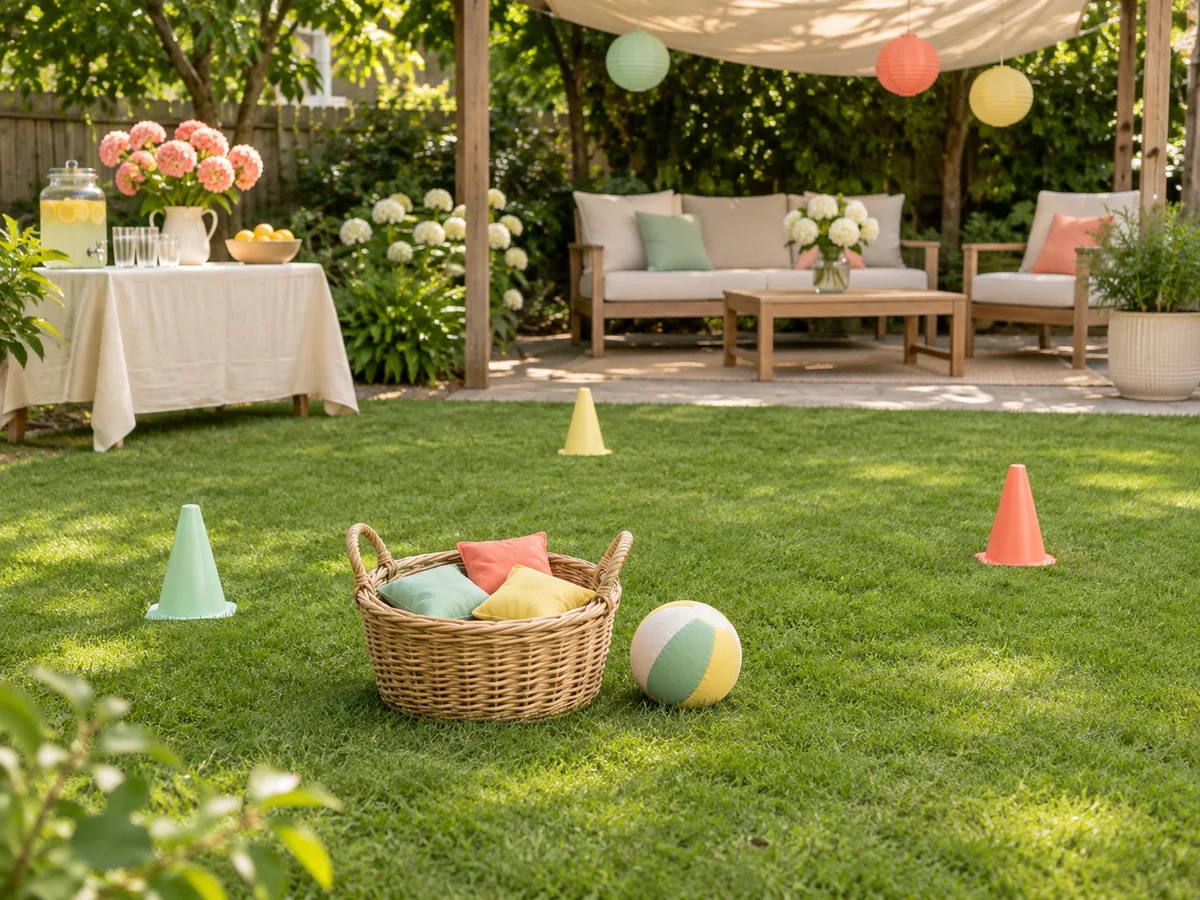
| Backyard games | Cones, balls or beanbags, a bucket, a speaker | You have outdoor space and an indoor fallback such as drawing or a seated guessing game |
| Cupcake decorating | Plain cupcakes, pre-filled frosting bags, shared toppings, table cover, labeled boxes | You have checked ingredients with families and have a paper option ready |
| Take-home craft | Grouped materials, name labels, a place for finished work | You have made a sample and know drying time; the craft can double as the favor |
| Movie | Seats, blankets, a title agreed with families, tested sound and picture | You have checked running time before setting pickup |
Can young children do a treasure hunt without reading every clue?
Quick answer: Yes. Use picture clues or have an adult read each card aloud.
Pictures of familiar objects work well: a chair, a flowerpot or the table where everyone will eat. For example, hand the group a picture of a chair, hide the next card under that chair and finish at a box with a take-home item for each child.
Rotate who spots the next hiding place so confident readers do not lead every step. Test the route beforehand, keep each destination within the area adults can supervise, and prepare an indoor route if the outdoor hunt depends on dry weather.
Explain games so everyone can join in
Young children usually follow a game better when they see it than when they hear a list of rules. For a bucket toss, say, "Take a ball, stand at this cone and try to land it in the bucket," then show them.
Teams, shared goals and rotating turns mean a missed throw does not end anyone's game. In a hunt, let different children carry the clue or point out the next place to look.
How do I explain a new game to a group of young children?
Quick answer: Show one practice turn with a helper before handing out all the equipment.
Explain the goal and the first action, then add any special rule after everyone has tried it. Start scoring only when the group understands what a finished turn looks like.
What if some guests prefer quieter activities?
Quick answer: Offer paper and markers or a craft alongside the active game.
Let children watch a practice turn before deciding whether to join, and give them a way to take part without being the center of attention, such as holding the clue card or counting the group's goals. Drawing next to the game is a way to join the party too, and children should not have to explain why they chose it.
Decide whether parents stay and who you are feeding
Decide before inviting guests whether adults should stay, based on the children, your space and the help available. Say it clearly on the invitation and confirm the arrangement with each family, so nobody has to sort it out at the door.
Neither arrangement is right for every child this age. Some families may want to stay even if others are happy to drop off, so talk with them about their children's needs first. Once you've decided, these tips on telling parents whether to stay can help you word the invitation clearly.
Name the people who will welcome guests, lead the activity, serve food and handle pickup. If you plan to cook during the party, a smaller guest list or another adult in the kitchen leaves you free to help the children.
Should adults stay at the party?
Quick answer: That is your decision, but make it before you invite anyone and state it on the invitation.
If adults stay, count them for food and seats. If you offer drop-off, agree who is collecting each child and how to contact their grown-up, and keep those contact and collection details handy during the party.
Adults who stay and eat need their own portions, counted separately from the cups, crafts and activity supplies you set out for the children. If the party covers a mealtime, plan enough for them too. Planning food for adults who stay covers how much to add.
Should I count parents and siblings?
Quick answer: Yes, count everyone staying for seats, drinks and food, even if only the invited children join the activity.
Ask families who will stay and whether siblings are included before you confirm supplies. Put the arrangement on the invitation. Activity and take-home materials can be counted for the children taking part.
Plan the food, cake and prizes
Choose familiar food that fits the time of day and your guests' food needs. If the party runs over lunchtime, say on the invitation whether lunch is included; sandwiches or pizza can form part of a meal. Between meals, snacks, fruit and cupcakes are possible choices. Include water, ask families about food needs instead of assuming one menu suits everyone, and count any adults staying.
Check both the start and the finish time against lunch, not just when guests arrive. A party that ends well before midday or starts well after it may only need snacks, while one that spans lunch raises the question of a meal. Deciding when a party needs a meal works best with the full window in view; then say which you're serving on the invitation.
Keep the food table away from games and experiment materials. Cake usually fits after the main activity and food, but move it earlier if families need to leave sooner, and allow time to serve and eat it.
Do I need prizes?
Quick answer: No. A finished craft, stickers for everyone, team points or silly awards can be enough.
If you offer take-home items, prepare one for each participating child rather than giving everything to a single winner. A craft that goes home can also be the favor.
Plan for breaks and changes on the day
Things can change on the day, and the plan can change with them. Shorten a game, serve food earlier or skip the repeat round; you do not have to finish every item on the schedule. If earlier activities run late, cut the extra round rather than moving the pickup time you promised.
What if my child needs a break during the party?
Quick answer: Keep books, crayons or a familiar stuffed animal in a quieter spot, and agree beforehand who will stay with the group.
That way you can spend a few minutes with your child while another adult keeps the party going. The same quiet corner can help any guest who needs a pause.
Example: a two-hour afternoon party
This is an illustrative games-or-craft party from 2:00 to 4:00 p.m., totaling 120 minutes. It is not a rule for every child; adjust the times for your activity, guests and food. Because it runs between meals, the example serves snacks such as fruit and water, then cake. If your party overlaps a meal, add something savory such as pizza squares or sandwiches and allow more time. A full movie plus food and cake may need longer than two hours. Put the finish time on the invitation.
- 2:00 to 2:15 p.m. (15 minutes): Arrival with drawing or an easy activity children can join as friends arrive.
- 2:15 to 2:50 p.m. (35 minutes): Main activity. Demonstrate the game or craft, then let everyone try.
- 2:50 to 3:10 p.m. (20 minutes): Snack. Put equipment aside and bring everyone together to eat.
- 3:10 to 3:30 p.m. (20 minutes): Another round of a favorite game, or time to finish projects.
- 3:30 to 3:45 p.m. (15 minutes): Cake.
- 3:45 to 4:00 p.m. (15 minutes): Quiet activity and pickup. Children draw, finish projects and collect named bags as families arrive.
Checklist for the week before the party
- Choose the activity, guest list, food and rainy-day plan before buying supplies.
- Confirm replies, whether parents stay and whether siblings are included; count everyone staying for food, drinks and seats.
- Ask families about food needs and anything their child needs to take part.
- Try the craft, experiment or hunt; prepare picture clues and a host copy of the route.
- Gather enough take-home materials for every child taking part.
- Group supplies by activity and put wipes, spare cups and trash bags where a helper can find them.
- Assign helpers to welcoming, the activity, food and pickup, including who stays with the group if you step away.
- Set up a quiet spot with books or crayons, and label projects and bags with names.
- Confirm the address, finish time, collecting adults and any weather change with families.