Party budgets and supplies
Work out what to spend on your party and what to buy, borrow or skip. Start here whether you're hosting a family birthday, a teen get-together or an adults' night. If you need to know how much food to make, look in Food. For decoration ideas, look in Themes.
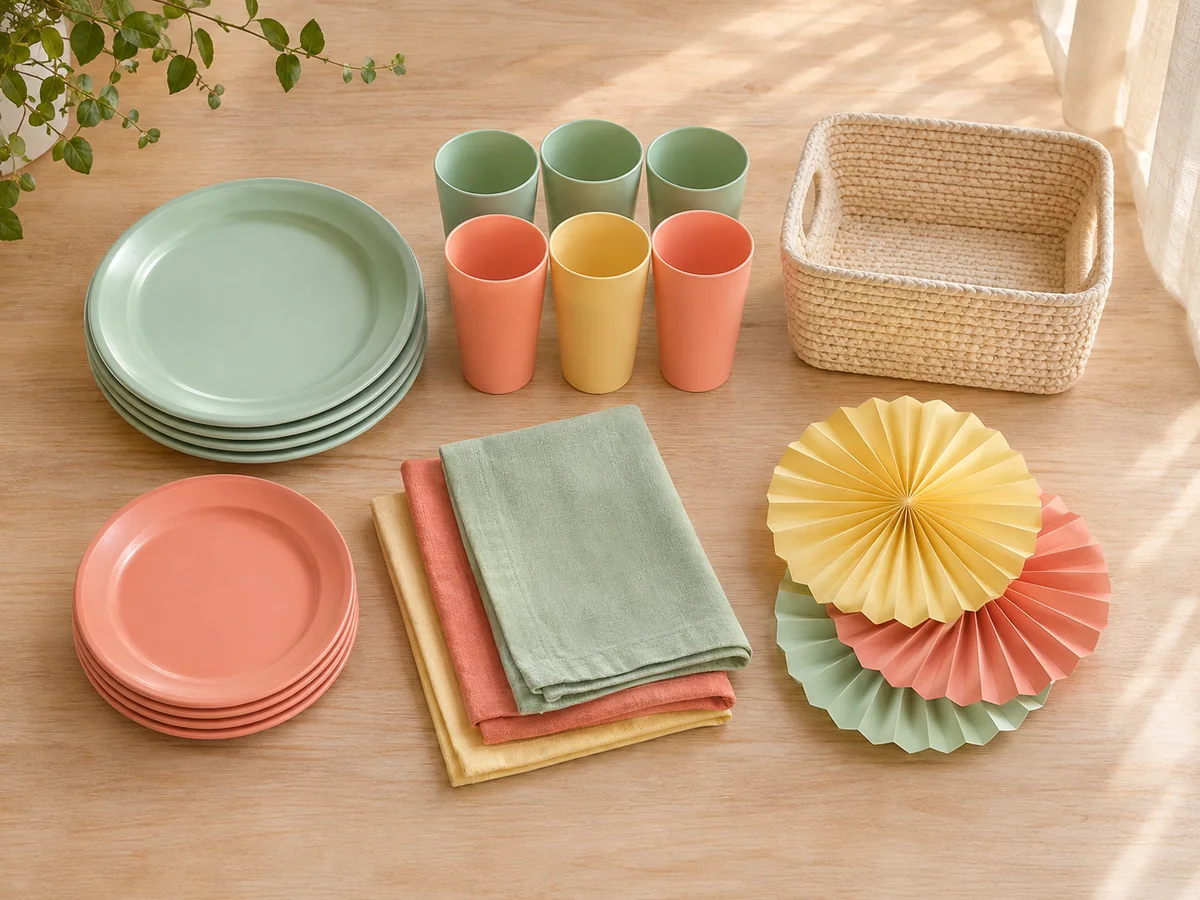
A party budget starts with the most you can spend. Write down your guest count, the location and the costs you already know, estimate the rest and compare the total with your limit. Spend first on what matters to the guest of honor, plus food and practical needs. Setting a party budget explains how to trim optional extras until it fits.
A calculator gives you a total, but a written record shows what you've actually paid. On a printable budget worksheet, give each category an allowance, list the costs you expect and note any deposit against the full cost, so you can see what's still owed.
Your supply list comes from your plans: the guest count, food, activities and venue each need particular items. Next to each one, note whether you have it, will borrow it or must buy it, and who's handling it. Working out which party supplies to buy, borrow or prepare also covers collecting and returning borrowed items.
A theme doesn't have to mean new supplies. Drawing games with paper and pens you already have, or an idea built around a color, can be priced against what's already at home before you decide. These cheap party themes include drawing prompts to try.
If your full estimate comes in over the limit, changing the kind of party may help more than trimming every quantity. Cheap birthday party ideas, such as games that need no extra supplies, give you different formats to compare with your original plan.
Decorating one area, such as the cake table, instead of the whole room keeps the job smaller. Check what you already own before buying matching decorations; many of these budget party decorations start from things you have at home.
Food costs depend on the actual party hours and how many people will eat. A party over a mealtime usually calls for a meal, while one between meals may only need snacks. Settle both before estimating, then list the serving supplies your menu needs and check what you already own. The questions on party food and drinks cover how much to buy and how to keep the menu simple.
Per-person purchases depend on an accurate headcount. Include siblings who are coming and adults who stay, not just invited children, before you work out food, seats and favors. The questions on ages and guest lists help you settle on that number.
Venues differ in what's included. Before reserving or renting extra equipment, compare what each place already provides, and check whether your home or yard has enough room. Questions about venues and outdoor parties cover choosing and booking a place.
Favors are optional, so decide whether you need them at all, and how many, before buying extras. Cleanup is different: check what your venue handles, list any supplies your party needs, such as trash bags, and agree who will help so the host isn't left doing it alone. The questions on favors, gifts and cleanup cover both.
Pick the activity before buying equipment. Choose one that fits your guests' ages, group size and space, then count the tools and shared materials it needs. The answers on party games and activities help you choose by age, room and prep time.
Questions to start with
Set your budget and decide where it goes
Choose a total you're comfortable with and split it across the things that matter most for your party. If you'd like to see the numbers laid out, use the budget calculator.
Work out which supplies to buy, borrow or make
Make a list of what you'll need. Then decide what to buy, what to borrow or rent, and what you can make or reuse from home.
No questions match that search yet. Try fewer words, or browse the topics below.