Choose the party shape
Pick the occasion, guest count, budget lane, theme, and whether the party belongs indoors, outdoors, or overnight.

Plan birthdays, sleepovers, games, food, and themes around the house, budget, guest list, and cleanup you actually have.
Decide the kind of party first. Every other choice, from the menu to the games to the shopping list, gets easier once that one is made.
 Ages, themes, games, food, and schedule
 Build the day around the birthday kid, the real headcount, and the amount of setup help you can count on.
 Food, safety notes, quiet time, and morning pickup
 Keep the fun while handling food notes, sleeping space, homesickness, house rules, and morning pickup.
 Decor, invitations, favors, games, and menu
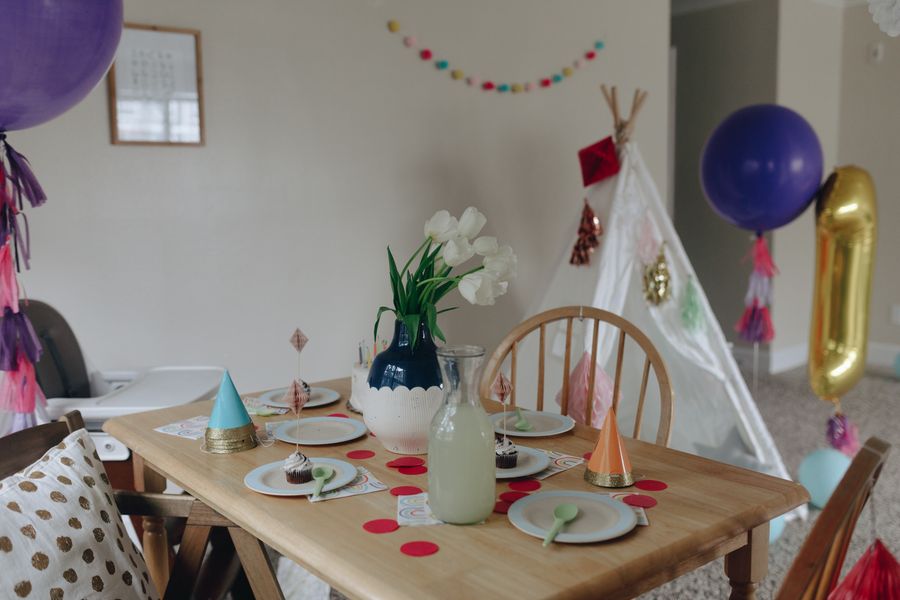
 Choose a theme with one strong activity, one photo moment, and enough color to feel intentional without buying everything twice.
 Best ages, group size, supplies, and cleanup
 Pick games with short rules, clear supplies, and the right energy level for the room full of kids in front of you.
 Menus, snack bars, cakes, drinks, and allergies
 Serve food that can be shopped, labeled, refilled, and cleaned up without turning the kitchen into the main event.
 Timeline, supplies, budget, and parent text
 Start here when the details are scattered across texts, receipts, notes, and the thing you promised yourself you would remember.
Checklists, worksheets, and parent-note templates sit right beside the ideas, so inspiration becomes a written plan while the details are fresh.
A fridge-door timeline for invitations, RSVPs, food, supplies, setup, pickup, and cleanup.
BudgetSet one total, split it across food, decor, games, favors, and keep a small buffer for the forgotten-candles run.
ShoppingGroup supplies by room and station so shopping, staging, and cleanup follow the same list.
Parent notesSend the details families need: timing, food notes, what to bring, pickup, and the phone number that works on party day.
Every guide here starts from the practical questions: how much prep time you have, how many guests are coming, and what happens if the plan slips.
Pick the occasion, guest count, budget lane, theme, and whether the party belongs indoors, outdoors, or overnight.
Match games and menu to the age range, allergies, party length, and how much adult help will be available.
Buy decor, serving pieces, game supplies, favors, cleanup bags, and the few backup items that prevent scrambling.
Send timing, address, pickup notes, food details, allergy reminders, and a backup contact if guests are sleeping over.
Open with an easy arrival activity, move into the main moment, feed everyone before energy dips, and keep cleanup simple.
Pack favors, gather borrowed items, save reusable decor, and note what to repeat next time.
The best party plan gives kids a moment to remember and gives the host a way to keep the day moving when real life happens.
A good plan respects the room size, the bathroom line, the cleanup window, and the difference between eight guests and twenty.
One strong activity, photo spot, cake moment, or game gives guests something to remember without adding five extra projects.
Weather, late guests, allergy notes, homesickness, and low energy all need a plain next step ready before the party starts.
These guides are the places parents usually need next: outdoor backup plans, sleepover details, quick wins, and indoor ideas when weather changes the plan.
Plan outdoor games, shade, food stations, bathroom flow, and the rain backup before the yard fills up.
Handle the parent text, sleeping setup, snack timing, quiet hour, and morning pickup before the first sleeping bag opens.
Use the fastest workable plan: one easy menu, one no-prep game, one clear setup zone, and one backup move.
Match games to floor space, noise tolerance, age mix, and the moment when the room needs to calm down.
One page that maps the whole party: type, guest count, menu, games, supplies, budget, and cleanup, so nothing waits until the morning of.
Open whichever area feels most uncertain right now. Each guide links to the food, games, timing, and parent-communication pieces around it.
Start with the guest count, age range, party length, budget, and setting. Those choices decide the food plan, games, supplies, and cleanup load.
Yes. Sleepovers stay a flagship topic, with extra focus on parent communication, food allergies, homesickness, sleeping setup, quiet time, and morning pickup.
Use the checklist path first, then choose low-supply games, simple food stations, and decor that can be assembled the night before or the morning of the party.
Choose one visual anchor, one activity, and one snack idea that all match the same mood. You do not need every plate, favor, game, and sign to be perfectly themed for the party to feel intentional.
Have the food ready before guests arrive, keep one backup activity nearby, label anything with allergy concerns, and write down the handoff details for pickup. The best plans leave room for real kids to be loud, hungry, shy, excited, or done early.